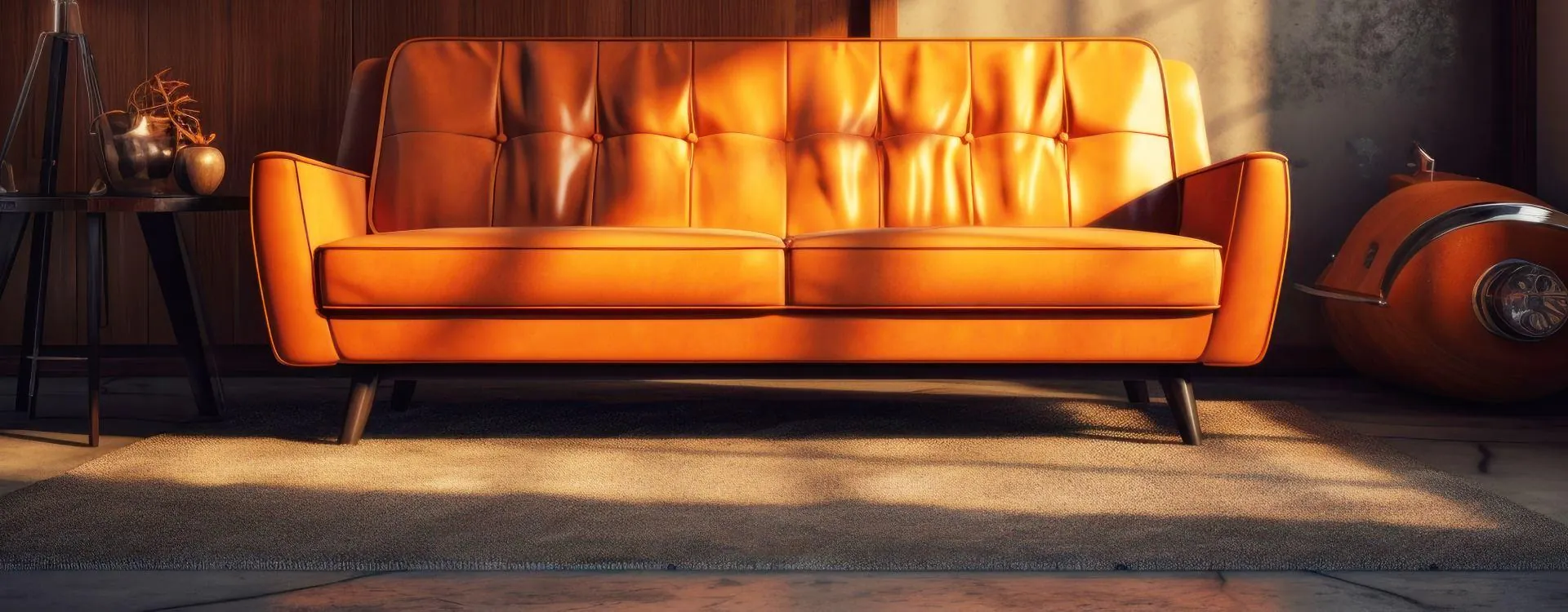
Leather furniture is built to last for decades, but daily use, sunlight and dry Chicago winters eventually leave their mark. When your favorite sofa starts to crack, fade or sag, you face a simple-sounding question with an expensive answer: should you repair it, restore it or replace it?
After years of working on sofas, recliners and sectionals across Chicagoland, we've found the right answer depends on three things: how widespread the damage is, what condition the frame is in, and the quality of the leather underneath. This guide walks you through each option so you can decide with confidence.
Repair vs. restoration vs. replacement: what's the difference?
These terms are often used interchangeably, but they describe very different jobs.
| Option | What it involves | Best for |
|---|---|---|
| Repair | Fixing a specific, localized problem such as a cut, a scuff, a small tear or one faded area. | Newer furniture with isolated damage. |
| Restoration | Treating the whole piece: deep cleaning, filling cracks, re-coloring every panel, refinishing and often rebuilding cushions. | Quality furniture with widespread wear but a solid frame. |
| Replacement | Buying a new piece of furniture. | Broken frames, failed leather or low-quality construction. |
When a simple repair is enough
If the damage is limited to one area and the rest of the leather is healthy, a targeted repair is the quickest and most affordable fix. Typical examples include:
- A pet scratch or cut on one cushion or arm
- A small tear along a seam
- A scuffed corner or a worn spot on a headrest
- An ink mark or dye-transfer stain from clothing
A skilled technician fills and levels the damaged area, then color-matches it so it blends into the surrounding leather. On most pieces, the repair is hard to spot once it's done. Our before-and-after gallery shows typical results.
When full restoration makes more sense
Restoration is the right call when wear is spread across the piece, but the structure underneath is still sound. Signs your furniture is a good candidate:
- Cracking or peeling on several cushions, arms or the back
- Color that has faded unevenly, especially on pieces near a window
- Leather that feels dry, stiff or rough to the touch
- Seat cushions that have flattened or sag when you sit down
- A frame that still feels solid, with no creaking, wobbling or broken springs
Well-made leather furniture is often built better than many new pieces on the market today. See our leather furniture restoration service for what a full restoration includes. Restoring it keeps a quality frame and hide in service, and the result is a piece that looks refreshed from every angle instead of one that has been patched.
When replacing is the smarter choice
We'll always give you an honest recommendation, and sometimes that means telling you not to restore. Replacement is usually the better option when:
- The frame is cracked or broken, or the springs and suspension have failed
- The "leather" is actually bonded leather (shredded leather fibers glued to a backing) that is flaking away in sheets
- The leather has large holes or has become brittle and tears easily
- The cost of restoration would approach the price of a comparable new piece
5 questions to ask before you decide
- How much of the surface is damaged? One area points to a repair. Most of the piece points to restoration.
- Is the frame still solid? Sit, lean and gently rock the piece. Creaks, wobbles or sagging springs are important clues.
- What type of leather is it? Full-grain and top-grain leather restore beautifully. Bonded leather rarely does.
- How attached are you to it? Heirlooms and pieces that fit your space perfectly are often worth saving even when replacement would be simpler.
- How will you use it after? A sofa in a busy family room may need a more protective finish than a formal living room chair.
What happens during a professional assessment
When we visit, we inspect the leather type, the extent and cause of the damage, and the condition of the frame and cushions. We then explain which option makes sense and what the work involves, and give you a clear quote. There's no pressure. If replacement is the better value, we'll say so.
How to make repaired or restored leather last
- Dust weekly and wipe spills right away with a soft, slightly damp cloth.
- Condition leather every few months, and more often during dry winter months when indoor heating pulls out moisture.
- Keep furniture out of direct sunlight, since UV light fades and dries leather, and away from radiators and heating vents.
- Avoid household cleaners, baby wipes and all-purpose sprays, which can strip the finish.
- Schedule a professional clean and condition once or twice a year for high-use pieces.
The bottom line
If your leather furniture has a solid frame and quality hide, repair or restoration is almost always the smarter investment. It costs less, keeps a piece you love and avoids sending good furniture to a landfill. When the structure itself has failed, replacement is the honest answer.
The fastest way to know for sure is a quick look from a professional. Our mobile furniture restoration technicians serve Mount Prospect, Chicago and the surrounding suburbs, and estimates are always free.
Frequently asked questions
Is restoring leather furniture worth it?
For a well-built piece with a solid frame, restoration is usually worth it. It costs considerably less than buying comparable new furniture and keeps a piece you already know is comfortable.
Can cracked leather be fixed permanently?
Cracks can be filled, re-colored and sealed so they are no longer visible and the surface is protected again. Regular conditioning afterwards keeps new cracks from forming.
How do I know if my furniture is real leather?
Look for natural variations in the grain, a label that says top-grain or full-grain leather, and a backing that looks fibrous rather than fabric. If you're unsure, a technician can tell you during the estimate.